

Raleigh Mold Remediation
Growth keeps returning after every cleaning? Remediation removes it and finds the leak, flood damage or damp air that keeps feeding it.
Call (984) 205-1789- Moisture source tracked down
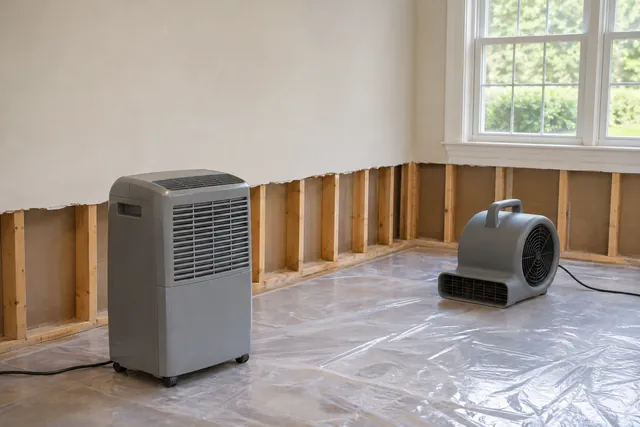
- Wet framing dried, not covered up
- Plastic work zone with HEPA air
Mold Remediation: Finding the Water Behind It
Mold remediation removes the growth, cleans what can stay, dries the structure and stops the water that started it. For mold remediation in Raleigh, NC, the cause is usually a slow plumbing leak, an overflowing air handler pan, crawl space humidity or water left behind by a storm.
Skipping the cause is why bleach and repainting fail. If the wood is still wet, new growth starts on the fresh drywall. If you're still sorting out which service fits, see the mold abatement services overview.
Steps From Setup to Sign-Off
- Walk the house with moisture meters to locate the water.
- Enclose the area in plastic and set up negative air.
- Remove growth and porous materials it has reached.
- HEPA-vacuum and wipe the framing.
- Dry with dehumidifiers and air movers.
- Take final readings before the area is closed up.
Professional Mold Removal or a Weekend Job?
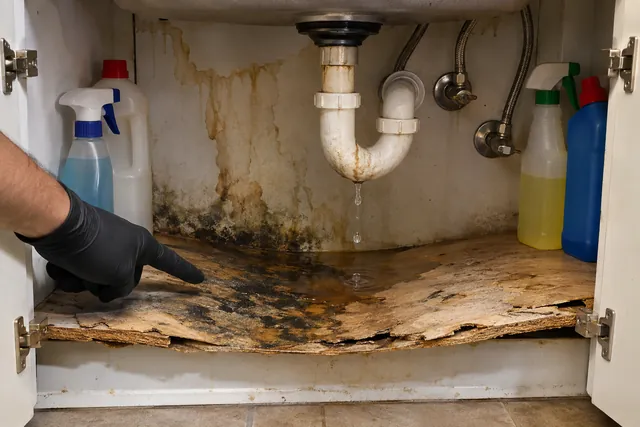
A spot under 10 square feet on a hard surface is usually a weekend job with detergent, gloves and an N95. Professional mold removal makes sense when the area is larger, the water was dirty, or the growth is inside a wall, under a floor or near the ductwork.
- Larger than a 3 by 3 foot patch: call
- Swollen cabinet floors or soft subfloor: call
- Flood or sewage water involved: call
- A few spots on tile grout: usually fine to clean yourself
What Moves the Price Up or Down?
Size and access move the price most. Most remediation jobs typically cost $1,500 to $9,000, rising toward $12,000 when growth runs through wall cavities.
- Square footage of material that has to come out
- Tight spaces like crawl spaces and attics
- Whether the water was clean, gray or sewage
- How long drying takes
- Whether rebuilding is included
Typical national figures from Fixr (mold remediation costs) and HomeAdvisor (mold inspection costs), not quotes. Your own price comes from the contractor after a look at the space.
Water got in during a storm? Get the walls opened and dried.
Call (984) 205-1789Crawl Spaces, Attics and HVAC Closets
Storm water is a common starting point. When Tropical Storm Chantal crossed central North Carolina in July 2025, some areas got 9 to 12 inches of rain, and Wake County was one of 13 counties in the governor's state of emergency. Water that soaks a crawl space or the bottom of a wall can feed growth for months if it isn't dried out.
For homes in Raleigh, North Carolina, the other usual suspects are attics where a bathroom fan vents into the insulation instead of outside, and HVAC closets where the condensate drain backs up during long, humid cooling seasons.
Getting the House Ready
- Clear a path to the area and move what you can out of the room.
- Stop using the HVAC if the growth is near the air handler or ducts.
- Write down when the leak started and what's already been repaired.
- Photograph the damage for your insurer before work starts.
Things Owners Ask Early On
Is remediation the same thing as removal?
Not quite. Removal handles what's visibly ruined; remediation also covers finding and stopping the moisture, which is what keeps it from returning.
How long does remediation take?
Many jobs take two to five days, depending on how much has to come out and how long drying takes. Rebuilding afterward is extra time.
Will insurance cover it?
Coverage varies by policy and by what caused the damage. Sudden events like a burst pipe are often treated differently from slow leaks, so call your insurer early and keep photos.
Do I need a test first?
Not when the growth is visible. EPA says you generally don't need samples to plan cleanup of mold you can see.
Do you work in Raleigh?
Yes. Call (984) 205-1789 and enter your ZIP code when asked to be connected with a local contractor.
Growth Back Within a Season?
Ask a local contractor to find what's feeding it before another round of cleaning.
Call (984) 205-1789