Mold Testing
Sampling and lab-oriented documentation to confirm what is present and help guide the cleanup scope when the situation is uncertain or disputed.
Serving Raleigh, North Carolina & surrounding areas
Mon–Fri 8am–6pm · Sat 9am–2pm
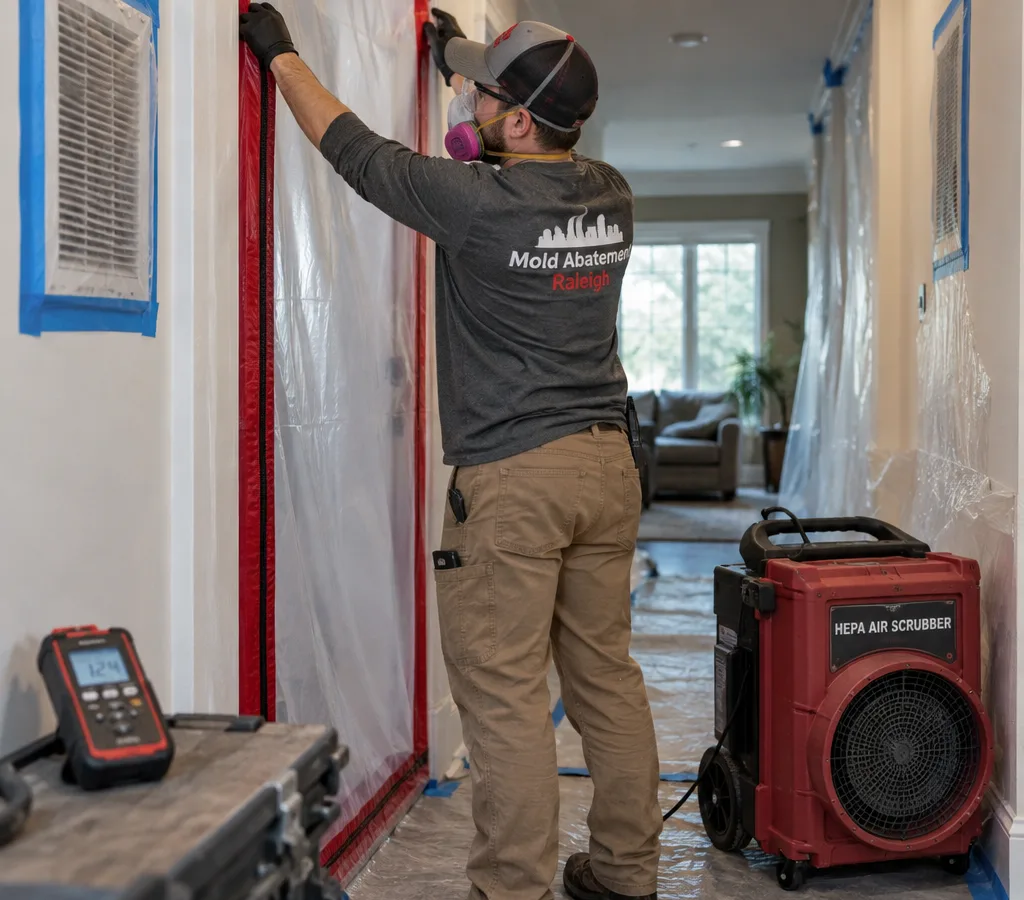
Safety-first mold cleanup in Raleigh
Clear, safety-first cleanup for homes and small businesses. Get a written scope, practical containment, and a plan to restore indoor air quality without dragging the project out.
Containment and HEPA filtration are the foundation of safe abatement work.
Controlled cleanup
If you are searching for mold abatement Raleigh, you likely need two things fast: a clear explanation of what is affected and a cleanup plan that keeps spores from spreading. Mold Abatement Raleigh handles abatement work with practical controls like containment, negative air when needed, HEPA vacuuming, and targeted removal of impacted materials.
A proper abatement job is more than wiping down a surface. The goal is to address the moisture problem, remove or clean affected building materials appropriately, and leave the area ready for repair and rebuild. You should expect a written scope, straightforward communication on what is and is not included, and guidance on next steps like drying, sealing, or coordinating repairs after cleanup.
Common signs that lead to abatement include visible growth, persistent musty odor, water staining after a leak, and recurring issues around bathrooms, crawl spaces, attics, and HVAC closets. If you are unsure whether what you see is mold, start with testing or an inspection so the work matches the conditions on site.
Choose the right starting point
Sampling and lab-oriented documentation to confirm what is present and help guide the cleanup scope when the situation is uncertain or disputed.
End-to-end remediation planning and cleanup for mold impacted areas, including containment, removal, cleaning, and coordination around drying and rebuild needs.
A room-by-room assessment to identify likely sources of moisture, locate impacted materials, and outline a clear plan before any abatement work begins.
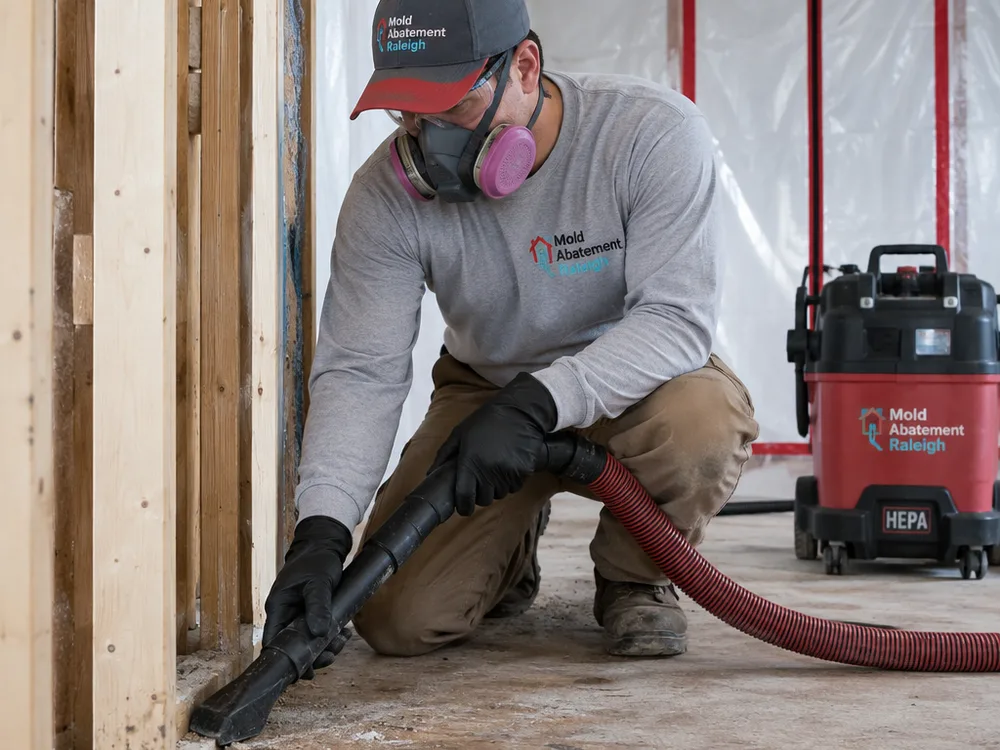
Targeted removal and cleanup for affected materials and surfaces, with a focus on safe handling, HEPA filtration, and keeping the rest of the property protected.
A clear, controlled project
We isolate the work area with poly sheeting, sealed returns and supplies as appropriate, and controlled entry. This helps keep dust and spores out of adjacent rooms, hallways, and closets.
Abatement typically includes HEPA air scrubbing, HEPA vacuuming of surfaces, and careful wipe-down of remaining materials where cleaning is appropriate. We focus on the areas that actually collect debris and spores.
We look for the water driver behind the growth, such as plumbing leaks, roof intrusion, bath fan issues, or crawl space humidity. Abatement works best when drying and repairs follow a clear plan.
You should know what materials are being removed, what will be cleaned, and how the area will be protected. We outline the steps so you can compare options and coordinate any rebuild work.
Many projects happen while people still live in the home. We plan access, protect flooring and pathways, and keep the work zone controlled so the rest of the space stays usable when possible.
Mold problems rarely feel optional. We focus on fast scheduling, clear arrival windows, and updates when conditions change, especially when hidden damage shows up after material removal begins.
Clear communication
Mold Abatement Raleigh provides mold abatement services in Raleigh, NC.
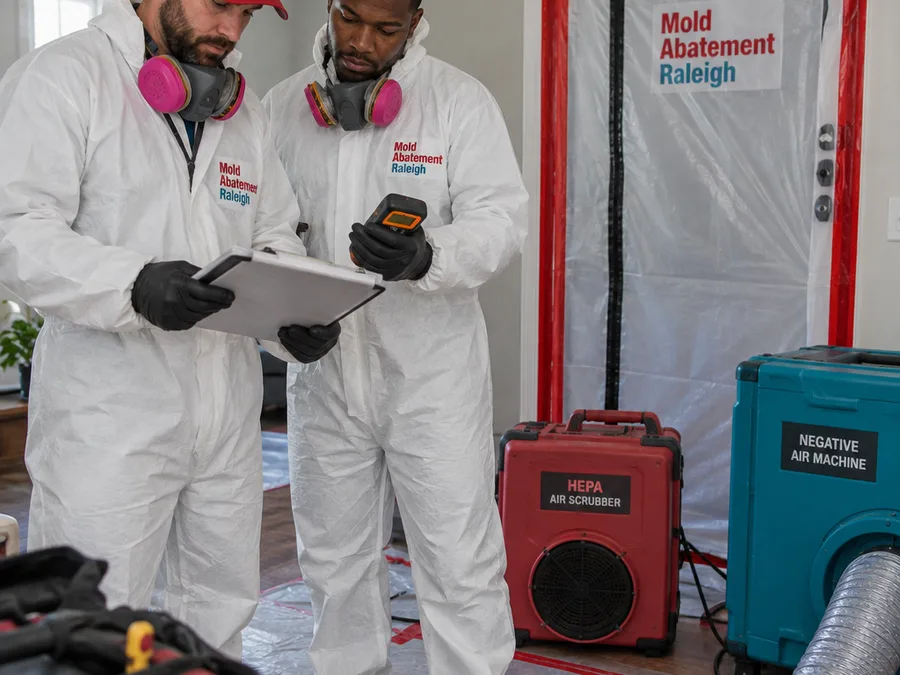
Our work is built around careful setup, controlled removal, and cleanup steps that make sense for the specific area affected. We take the time to explain the scope and what it means for your home, whether the issue is isolated to a closet or tied to a larger moisture problem. You will know where containment will go, what materials may need to come out, and what conditions could change the plan once surfaces are opened.
If you are coordinating with a landlord, property manager, or a real estate transaction, we can keep the communication organized so decisions happen quickly and the property can move forward.
Planning your project
Mold abatement in Raleigh typically ranges from about $900 to $3,500 for many residential projects. A small, contained area like a closet or part of a bathroom often falls around $900 to $1,800, while multi-room or crawl space work commonly lands around $2,000 to $6,000 or more.
Your final price depends on the size of the affected area, how much material needs removal, access such as an attic or crawl space, the level of containment and HEPA filtration required, and what drying or repairs are needed after cleanup. The exact cost is confirmed after an on-site inspection and a written scope.
From inspection to next steps
We review visible growth, staining, and odor patterns, then check likely moisture sources. You get a clear scope that spells out what is being removed, what is being cleaned, and what is outside the scope.
We protect adjacent rooms with poly containment, controlled entry, and HEPA air filtration. When conditions call for it, we set negative air to keep airborne particles moving into filtration.
Impacted materials are removed as required, then remaining structural surfaces are HEPA vacuumed and cleaned where appropriate. We focus on edges, framing, subfloor, and other surfaces that hold debris.
We review the area with you, note any items that still need drying or repair, and explain how to prevent recurrence. If additional testing is planned, we coordinate timing so results reflect the cleaned condition.
If you need mold abatement in Raleigh, start with a clear scope and a plan that protects the rest of your home while the work is underway.
Call for a Free EstimateLocal knowledge matters
We work across Raleigh with scopes tailored to the home style, access, and moisture conditions common in each area.
Mixed-era homes and frequent remodels can hide past leaks behind finishes, so careful inspection and controlled containment are important when opening walls or ceilings.
Older housing stock often includes plaster, tighter cavities, and aged windows or roof details, which makes tracing moisture sources and limiting dust during abatement especially important.
Many newer builds still see issues around HVAC closets, bath exhaust ducting, and condensation, so abatement plans often include checking airflow and humidity drivers.
Condos and townhomes can share walls and mechanical spaces, so we plan containment and access to protect neighbors and keep common areas clean during cleanup work.
A wide mix of home ages and additions means we frequently find localized problems tied to roof penetrations, plumbing runs, or crawl space humidity that need targeted abatement.
“They explained the scope in plain language, set up containment carefully, and kept the rest of the house clean while they worked. The musty smell was gone once the area was opened and cleaned.”
“We needed the work done quickly for a real estate timeline. The plan was clear, the crew showed up when scheduled, and we knew exactly what was removed and what was cleaned.”
“I appreciated that they focused on the moisture cause, not just the visible spots. The cleanup felt controlled and methodical, and they walked us through what to fix next.”
Straight answers
Understand what the work includes, how long it may take, and how to prepare your property.
Mold abatement typically includes containment, HEPA air filtration, removal of impacted materials where needed, and detailed cleaning of remaining surfaces. The exact scope depends on what materials are affected and whether the moisture source has been addressed.
Abatement can start in some situations, but lasting results depend on fixing the moisture source. If active water intrusion is present, we will advise on what needs to be repaired or dried first so the cleanup does not get undone.
Many small projects can be completed in one day, while larger or multi-area work can take several days. The timeline depends on containment setup, how much material needs removal, and whether drying or post-cleanup testing is part of the plan.
Many occupied homes can remain in place during work when containment is properly set and the affected area can be isolated. We will tell you which rooms to avoid, how we will control air movement, and whether temporary relocation is recommended.
Yes. We can provide a written scope and clear documentation of what work is planned and completed, which helps keep approvals and timelines moving when multiple parties need updates.
Clear access to the affected area and move personal items out of the immediate work zone when possible. If the issue is in a closet, bathroom, or crawl space access point, creating a clear path helps us set containment quickly and protect nearby surfaces.
Tell us what you are seeing and where it is happening. We will schedule an on-site visit, confirm the scope, and outline the safest next steps for cleanup and restoring your indoor air quality.